




Written by:
Last Updated:
January 30th, 2026

In the UK, it is believed that more than 600,000 people are alcohol-dependent, the highest number on record. Most of them did not begin with heavy drinking, but started socially, casually, in the same way millions of people drink every week.
The signs of alcohol dependency often slip in unnoticed and unannounced, as it’s hard to recognise until it’s already taking hold.
This guide will help you recognise those changes before they take root, so you can understand what’s happening and take action early.
What is social drinking?
Social drinking is the act of consuming alcohol in social events, like parties, gatherings or other occasions with family, friends or colleagues. Alcohol has become such a common part of many of our lives that it feels tied into socialising, which could be after-work pints, a weekend celebration, family meals or “just a way to unwind” after work.
In non-problematic contexts, social drinking usually means:
- Drinking occasionally or moderately
- Being able to stop when you choose
- Not thinking about alcohol outside of social gatherings
- Not needing alcohol to relax or socialise
The trouble is that the line between social drinking and dependency/addiction can be incredibly thin. Seeing where that line lies is hard when alcohol is a normalised part of your life, so when social drinking shifts into dependency, it can go completely unnoticed.
When does social drinking cross the line into dependency?
When alcohol dependency forms, more often than not, there are no bells or whistles, no loud statements and no glaring crises. Changes creep in silently and subtly, with some signs including:
When tolerance increases, and control is lost
One of the earliest signs of growing dependency is a rise in tolerance. You might notice on your nights out that you:
- Need more alcohol to feel the same effects
- Drink faster than others around you
- Struggle to stop once you’ve started
What you used to feel after one drink, you now only feel after three. This creeping increase is a warning that the brain and body are adapting to regular alcohol use.
When drinking for strange new reasons
Social drinking starts to shift when alcohol becomes less about enjoyment and more about emotional relief. Among your friends and loved ones, you might start to drink for:
- An escape from boredom
- A way to “take the edge off” an ordinary day
- A way to celebrate something small and insignificant
If alcohol is seen more as a tool to feel normal, you’re facing a strong indicator that deeper issues are forming.
When daily life is affected
The shift into dependency will have an incremental impact on your normal, daily routines. This could include:
- Letting your family or work commitments slip
- Feeling foggy, drained and unwell more regularly
- Not being able to concentrate, or difficulty in sleeping
While these disruptions might feel minor at first, they will slowly intensify as dependency unfolds.
When alcohol is the “key to coping”
Perhaps the strongest sign of shifting into dependency is when alcohol becomes the go-to response to discomfort. Instead of being something you enjoyed on occasion, it starts feeling like something you “need” to switch off or get through the day. You might notice yourself:
- Reaching for a drink when you feel overwhelmed
- Using alcohol to “soften” some difficult emotions or as an escape
- Feeling irritable or unsettled when alcohol isn’t available
When drinking becomes a form of coping, it suggests that alcohol is filling a space that is meant for healthier coping mechanisms.
How strongly does our social circle affect our drinking?
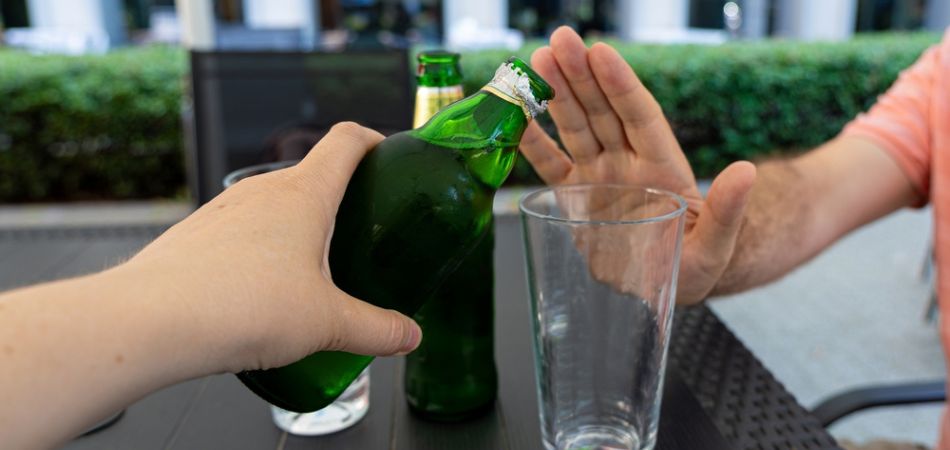
In most cases, our drinking habits are heavily influenced by the people around us and the environment we are in. When we’re in a social circle that normalises heavy drinking, it becomes much harder to notice when our own behaviour is drifting beyond “social” and into riskier territory.
For many of us, alcohol is woven into the fabric of our social lives. It’s used for celebration or commiseration, as a way to escape or a way to connect.
Longitudinal research has highlighted the significance of our social circle on our drinking habits. The researchers found that people tend to both choose friends who drink as they do and adapt their drinking to match others over time, with social selection having the strongest effect. What this means in practical terms is that your environment, even without pressure, will quietly shape both how much and how often you drink.
The influence of our circle can show up in many ways:
- Group norms shifting your limits: When friends commonly binge drink or treat heavy alcohol use as harmless fun, your own boundaries stretch without noticing.
- Social pressures (spoken or unspoken): Even light encouragement, like “One more won’t hurt,” or “Don’t be boring,” can make it difficult to say no.
- Shared emotional habits: If your social circle uses alcohol as a coping mechanism for difficult emotions, you may start relying on the same patterns.
- Fear of missing out: Choosing to cut back might feel like you’re losing a connection with your friends, or that a sense of belonging is slipping away. This makes positive changes much more difficult to stick to.
What should I do if I think my drinking habits are worsening?
If you’re starting to question whether your drinking is becoming problematic, that is a great moment of awareness. Most people hesitate or falter at this stage, quickly dismissing their concerns with “things aren’t that bad,” overlooking how “yet” should be added to the end of the thought.
Early action can be the turning point in starting recovery and stepping into a healthier future. Here are some first steps you can take to help you regain control:
- Talk with someone you trust: Opening up to a friend, partner or family member can help you break the cycle of coping alone. Sometimes, hearing yourself say the words out loud is enough to confirm that your concern is real and deserves attention.
- Test yourself with some online tools: Evidence-based self-assessments can help you understand where your drinking sits on the risk scale. One resource is the Alcohol Use Disorders Identification Test (AUDIT), available for free online. These tools won’t officially diagnose you, but they can highlight patterns that suggest you need further support. You can also take the CAGE questionnaire to assess your relationship with alcohol.
- Track your drinking patterns over 1 – 2 weeks: Spend a short period writing down when, where and why you drink. You might be surprised at how quickly you can see patterns, like drinking more at home, drinking earlier in the day or using alcohol as a stress response. Seeing these patterns clearly can help you understand whether your habits are shifting and what might be driving the change.
- Consider speaking with a professional: A GP, therapist, or addiction specialist can help you understand what’s happening beneath the surface. Just one single conversation can clarify whether what you’re experiencing is risky drinking or early dependency and what steps you can take next.
Where can I get help for alcohol addiction in my life?
If you’re worried that your drinking is changing, please know that you don’t have to wait for things to “get bad enough” before reaching out.
At Recovery Lighthouse, we specialise in helping people understand and overcome the patterns that keep them stuck. Our treatment programmes for alcoholism combine medical alcohol detox with evidence-based therapy and long-term aftercare. Everything we deliver is focused on supporting you through the emotional and physical challenges of alcohol addiction.
Our Admissions Team is available right now to answer your questions in complete confidence. Reach out today to take the first step towards the healthier, sober future you deserve.
(Click here to see works cited)
- “Estimates of Alcohol Dependent Adults in England: Summary.” GOV.UK, www.gov.uk/government/publications/alcohol-dependence-prevalence-in-england/estimates-of-alcohol-dependent-adults-in-england-summary.
- Social Network Drinking and Adult Alcohol Involvement: A Longitudinal Exploration of the Direction of Influence | Request PDF, www.researchgate.net/publication/223554454_Social_Network_Drinking_and_Adult_Alcohol_Involvement_A_Longitudinal_Exploration_of_the_Direction_of_Influence
- “Alcohol Use Disorders Identification Test (Audit).” Audit Screen, auditscreen.org/.