





Opioid Addiction | Signs, Symptoms and Effects
What is opioid addiction?
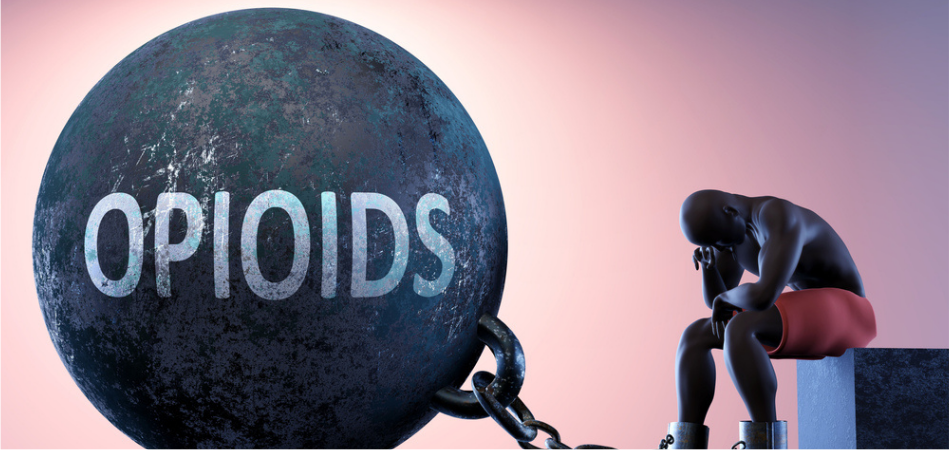
Opioid addiction is a condition where the body and mind rely on the effects of opioid drugs in order to feel ‘normal’. These substances act on receptors linked with pain and emotion, lowering discomfort in a way that can feel deeply soothing. Once that relief is experienced, the brain takes note and starts to expect the same effect whenever stress or pain appears again.
That expectation slowly reshapes how the body functions, and the same dose that once eased discomfort loses its impact. This increase in tolerance can encourage the person to take more in search of the comfort they remember. When opioids are stopped, the nervous system reacts strongly with symptoms such as:
- Aches
- Nausea
- Anxiety
- Cravings
- Sweating
Dealing with this cycle on a daily basis can affect every part of a person’s life and can gradually pull the user into a life focused purely on avoiding withdrawal rather than feeling genuinely well. It can feel confusing to realise something meant to help is now making life harder, although it happens to many people without them noticing the shift.
Understanding how opioid addiction develops helps people recognise the signs early and encourages them to reach out for support that can break this cycle safely.
Struggling with Opioid addiction?
Help is one call away.
Are there different types of opioid addictions?
There are many types of opioid drugs available, with some being perfectly legal with a prescription and others living solely on the black market. At Recovery Lighthouse, we understand that no matter their legality, they can all pose a serious threat to a person if addiction forms. Below, we take a look at some of the most common forms of opioids and the addiction they can bring:
Recognising the signs of opioid addiction
With so many pathways leading to opioid addiction, spotting the early signs can make all the difference. When these signs are recognised quickly, intervention becomes easier and the cycle of dependency can be stopped before it takes hold. The challenge is that these signs are rarely obvious. In someone else, they can look like ordinary changes in mood or behaviour. In yourself, they can be even harder to see because the shift happens so gradually that it feels normal.
By understanding what these early signs can look like, you give yourself a better chance of stepping in before the addiction gains a deeper hold.
Physical signs
- Persistent drowsiness or heavy fatigue
- Constricted pupils and slow breathing
- Muscle aches, sweating or flu-like symptoms between doses
- Nausea, vomiting or constipation
Psychological signs
- Intense cravings or preoccupation with obtaining the drug
- Irritability, anxiety or low mood during withdrawal
- Memory gaps or lack of motivation
- Feeling emotionally numb or detached from surroundings
Behavioural signs
- Taking medication in ways not prescribed
- Visiting multiple doctors or pharmacies to obtain more
- Withdrawing from relationships or responsibilities
- Hiding or lying about usage
Not sure if you are suffering from Opioid dependency?
In less than five minutes, our confidential self-assessment can help you better understand your relationship with Opioid and whether further support may be needed.
Do I have an opioid addiction?
Even when the signs of an opioid addiction are laid out in front of you, accepting that you may have a problem can feel incredibly difficult.
For many people, opioids have become a source of comfort or a way to manage pain, and the thought of letting go can be frightening. You might worry about how you will cope without them, or you may feel unsure whether your use is serious enough to be labelled as addiction to the prescription drug. These thoughts are more common than you might think, and they can make it harder to see your situation clearly.
Because of this, checking in with yourself can be helpful. A few honest questions can highlight patterns you may have missed and give you a clearer sense of how opioids are affecting your daily life. These questions are not here to diagnose you with anything, but they can encourage a focused conversation with your GP if you feel concerned.
Ask yourself:
- Do you feel anxious or unsettled when you do not have access to your usual opioid dose?
- Have you noticed your dose increasing because the original amount no longer feels effective?
- Do you find yourself thinking about opioids throughout the day, even when you are not in pain?
- Have friends or family commented on changes in your behaviour since using opioids?
- Do you feel that opioids are beginning to affect your mood, relationships or responsibilities?

Answering yes to any of these questions could suggest that your relationship with opioids needs attention and reaching out for support now can prevent the cycle from tightening further.
Where can I find help for opioid addiction?
If you feel that opioids are starting to shape your life in ways you did not expect, reaching out now can make a real difference. At Recovery Lighthouse, we support people facing all types of drug addictions, including those linked with prescription and illicit opioids. Our team understands how difficult this step can feel, especially when pain and fear are involved, and we are here to guide you through it with our opioid addiction treatment programme.
Contact us today and take the first step towards rehab treatment, and a genuine relief and a healthier future.
Struggling with Opioid addiction? We're here to help.
Our team will guide you through every treatment option for your Opioid dependency with honesty and care, supporting you at your own pace with no pressure or obligation at any stage.
📞
Call UsFree & confidential
✉
Email UsWe reply within hours
📋
AssessmentTakes 5 minutes
🔒 All enquiries strictly confidential