




Written by:

Medically Reviewed by:
Last Updated:
August 19th, 2026
Fentanyl Addiction | Signs, Symptoms and Effects
You may have heard about fentanyl on the news and seen how it has devastated communities abroad. It can be difficult to understand how a single prescription drug can have such a wide impact, contributing to rising addiction rates and a concerning number of deaths.
We explore the ins and outs of fentanyl addiction and recent UK developments linked with the drug. Most importantly, it highlights how you can reach out for support if you or someone close to you has found themselves struggling with fentanyl addiction.
What is fentanyl?
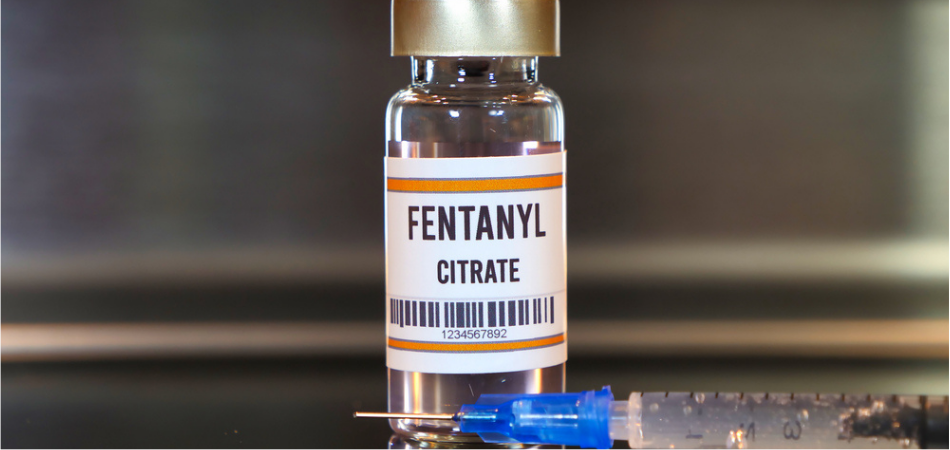
Fentanyl is a powerful synthetic opioid used in medical settings to manage severe pain, particularly after surgery or during advanced illness. It works by attaching to the body’s opioid receptors, creating a strong dampening effect on pain and, in some cases, producing feelings of relaxation. You may have heard about fentanyl through news reports overseas, especially in the United States, where illicit versions of the drug have been linked with widespread harm.
In controlled medical environments, fentanyl is carefully monitored and can play a vital role in pain management. However, outside these settings, its strength increases the risk of overdose and addiction, making any misuse extremely dangerous.
What makes fentanyl so dangerous?
Fentanyl’s risk comes from its strength and the tiny amount needed to cause harm. As little as about 2 milligrams can be lethal depending on the person, which leaves almost no margin for error outside medical care.
By comparison, overdose discussions for other opioids involve much larger quantities. For example, forensic reviews place a fatal morphine dose around ~250 mg in adults, a scale that underscores just how concentrated fentanyl’s danger is.
Public-health guidance overseas also notes that fentanyl can be up to 50 times stronger than heroin and around 100 times stronger than morphine. This gap in strength means people who are used to other illicit opioids can misjudge how much their body can handle, increasing the risk of overdose.
Once in the system, fentanyl binds rapidly to opioid receptors that regulate pain and respiration. That rapid action can trigger sudden respiratory depression and, with repeated use, a strong pull toward continued dosing as tolerance rises. The combined risk of fentanyl addiction, with its narrow dose window, makes the drug far more dangerous than many people expect
Struggling with Fentanyl addiction?
Help is one call away.
Is fentanyl illegal in the UK?
Fentanyl addiction and misuse remain relatively uncommon in the UK, although authorities are becoming increasingly cautious about its presence in the illicit drug supply. Traces of fentanyl have been detected in seized or tested street substances, which has raised concern among health services and law enforcement.
In mid-2023, alerts were issued after unusually potent opioids containing fentanyl or nitazenes were found mixed into heroin, counterfeit pain medication and certain street benzodiazepines, contributing to a cluster of overdose deaths. In fact, according to recent stats, 84 deaths linked to fentanyl were registered in the UK in 2024.
While its presence remains limited, these findings are considered an early warning sign and are being monitored closely.
What are the signs of fentanyl addiction?
Recognising the signs of fentanyl addiction in yourself or someone close to you is incredibly important, especially because this drug is so potent that any use can carry serious risk. Addiction can develop faster than many people realise, and spotting these changes early can make it easier to seek support.
Below are some of the key signs to look out for.
- Frequent cravings that feel difficult to ignore, especially when fentanyl is not available
- Feeling anxious, irritable or low when you try to reduce your dose or stop
- Struggling to concentrate on daily tasks because thoughts feel consumed by the next use
- Losing interest in hobbies or relationships that once felt meaningful
- Needing fentanyl to feel calm or balanced, rather than taking it for genuine pain relief
- Noticeably slowed breathing or shallow breaths after use
- Extreme drowsiness or periods of nodding off without warning
- Constricted pupils that appear much smaller than usual
- Persistent nausea or vomiting linked with regular fentanyl use
- Visible decline in general health, such as weight loss or lack of personal care
- Becoming secretive about how much or how often you are using
- Changing routines to prioritise access to fentanyl
- Avoiding social situations where you cannot take the drug
- Spending large amounts of time or money obtaining the drug
- Neglecting responsibilities
Do I have a fentanyl addiction?
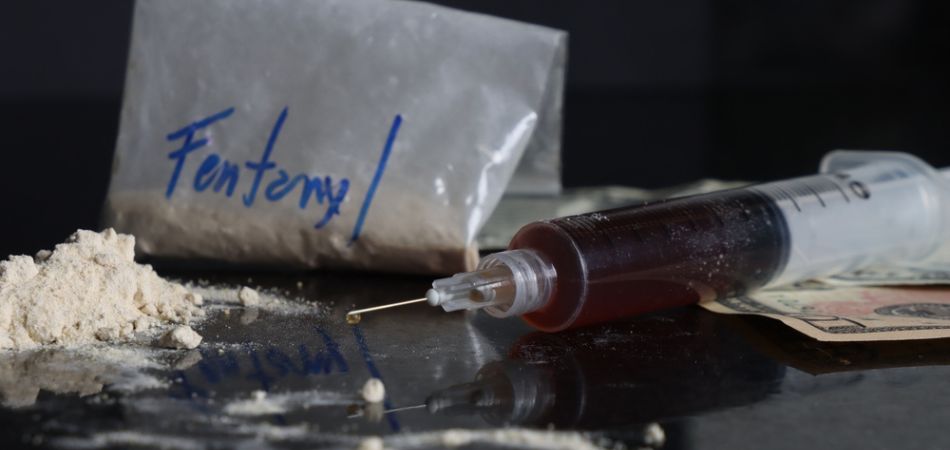
It can be difficult to recognise when dependency has taken hold, especially in the middle of something as powerful as fentanyl addiction. This is why checking in with yourself whenever possible is so important. One helpful way to do this is by asking and answering the following questions as honestly as you can.
Ask yourself:
- Do you feel unsettled or anxious when you do not have access to fentanyl?
- Have you noticed your usual dose losing its effect, leading you to take more?
- Do cravings or thoughts about using interfere with your daily activities?
- Have friends or family expressed concern about your fentanyl use?
- Do you continue using fentanyl even though it is affecting your health or responsibilities?
- Do you feel unable to cut down or stop using fentanyl, even when you have tried to manage your use on your own?

If you have answered yes to one or more of these questions, it is important to speak with healthcare professionals as soon as you can. Fentanyl is unpredictable and dangerous, and when addiction develops, that risk increases significantly. Reaching out now can open the door to support that helps you break the cycle safely.
Not sure if you are suffering from Fentanyl dependency?
In less than five minutes, our confidential self-assessment can help you better understand your relationship with Fentanyl and whether further support may be needed.
What are the next steps?
If fentanyl has started to influence your life in ways you did not expect, reaching out now could prevent the situation from worsening. At Recovery Lighthouse, we support people facing all forms of opioid addiction, including fentanyl and understand how overwhelming this can feel.
Our team provides structured fentanyl addiction treatment that focuses on detox, therapy and long-term aftercare, giving you the tools to rebuild safely. You do not have to face this alone or wait for the cycle to tighten further.
Contact Recovery Lighthouse today and take the first step towards a healthier future, free from the dangers of fentanyl dependence.
Struggling with Fentanyl addiction? We're here to help.
Our team will guide you through every treatment option for your Fentanyl dependency with honesty and care, supporting you at your own pace with no pressure or obligation at any stage.
📞
Call UsFree & confidential
✉
Email UsWe reply within hours
📋
AssessmentTakes 5 minutes
🔒 All enquiries strictly confidential
Frequently asked questions
(Click here to see works cited)
- DEA. “Facts about Fentanyl.” DEA, 29 Apr. 2021, www.dea.gov/resources/facts-about-fentanyl
- Li, Juntao, et al. “Forensic Aspects about Fatal Morphine Intoxication of an Unusual Body Packer: Case Report and Literature Review.” Forensic Science International: Reports, vol. 3, July 2021, p. 100207, https://doi.org/10.1016/j.fsir.2021.100207
- “Fentanyl: One Pill Kills | Texas Health and Human Services.” Www.hhs.texas.gov, 2024, www.hhs.texas.gov/services/mental-health-substance-use/mental-health-substance-use-resources/fentanyl-one-pill-kills
- Schiller, Elizabeth Y. and Oren J. Mechanic. “Opioid Overdose.” National Library of Medicine, 2023, www.ncbi.nlm.nih.gov/books/NBK470415/
- “Contaminated Drug Alert – Cranstoun.” Cranstoun, 6 July 2023, cranstoun.org/news/contaminated-drug-alert/
- Office for National Statistics. “Deaths Related to Drug Poisoning by Selected Substances – Office for National Statistics.” Ons.gov.uk, 2019, www.ons.gov.uk/peoplepopulationandcommunity/birthsdeathsandmarriages/deaths/datasets/deathsrelatedtodrugpoisoningbyselectedsubstances