





Crack Cocaine Addiction Treatment | Crack Detox, Crack Rehab and Aftercare
Crack cocaine addiction treatment reaches beneath the surface of what people usually see. The bursts of energy, the restless high—these are just the visible ripples of something much deeper. Beneath them sits a complex web of emotions and pain that keeps the cycle alive.

What is crack cocaine addiction treatment?
Crack cocaine rehab is a space where those layers can be safely unravelled, with the main aim of understanding why crack took hold and helping you rebuild from the inside out. Recovery Lighthouse uses a structured yet personal rehab treatment approach for drugs that makes space for both stability and self-discovery.
Because the drug’s effects come and go quickly, the mind is often left chasing its next spark while the body struggles to find calm. That’s why treatment focuses on creating balance, teaching your system how to breathe again and feel grounded without relying on the rush.
Let’s take a closer look at what that journey involves.
Visit the cost of rehab page using the button below to get an understanding of the cost of rehab, and what you get for your money.
How is crack cocaine addiction treatment structured?
At Recovery Lighthouse, every treatment plan begins with understanding. We know no two stories are the same, and recovery can’t be built on assumptions. That’s why your experience is shaped around four key stages: assessment, detox, therapy and aftercare, each one designed to help you find clarity and strength.
Assessment
The first step is simply a conversation about where you are with crack, what’s brought you here and what you need to move forward. We’ll take time to learn about your history with crack and any underlying issues that may influence recovery. This stage helps us build a plan that feels realistic and one that supports you rather than overwhelms you.
Crack detox
Compared to detox for other drugs, detox for crack cocaine focuses more on the mind than the body. Because the drug doesn’t cause the same physical dependency as other drugs, the main challenge lies in managing mood swings and cravings.
In the first few days, you might feel drained or unsettled as the brain adjusts to life without constant stimulation. These feelings can fluctuate, coming in waves that test your patience and resolve. At Recovery Lighthouse, we guide you through each moment with reassurance and medical oversight, ensuring your body and mind recover safely. The goal is to let your system find balance again and build a calm foundation before the deeper work begins in therapy.
Therapy
Therapy is where true recovery starts to take shape, as once the body begins to stabilise, the mind becomes ready to explore the reasons behind the addiction. This is where you learn how crack fit into your life and how to replace it with healthier patterns.
At Recovery Lighthouse, therapy is both structured and creative. You’ll have access to a range of approaches that help you understand yourself on every level, both emotionally and mentally.
- Cognitive Behavioural Therapy (CBT) helps you recognise and challenge the thought loops that lead to crack use. This gradual shift teaches you to separate need from impulse, giving you the tools to regain control.
- Dialectical Behaviour Therapy (DBT) works by helping you accept emotions instead of trying to escape them. This emotional balance becomes the bridge between chaos and calm.
Alongside these evidence-based therapies, we also integrate holistic methods that reconnect the mind and body. Crack addiction can leave people feeling fragmented, as though parts of themselves no longer fit together. Holistic therapies help rebuild that connection in ways that words alone can’t.
- Mindfulness teaches you to observe your thoughts without becoming caught up in them. Over time, moments of chaos become moments of awareness.
- Yoga supports this process by easing tension and rebuilding strength. Each pose encourages presence, a reminder that healing doesn’t happen in the past or future but right now, breath by breath.
- Gong therapy works through sound, using deep, resonant vibrations to help the body relax and the mind settle. Many people describe it as the first time they’ve felt true stillness after years of mental noise.
- Art workshops open another path for self-expression, especially beneficial for those who find words difficult. Painting or sculpting allows emotions to surface safely, often revealing insights that talk therapy later explores more deeply.
Together, these therapies form a complete picture, one where you can release what’s been buried and reconnect with yourself. Therapy does not have to end once you complete your initial crack cocaine treatment. With UKAT’s secondary treatment programme, you can extend your stay in rehab for as long as you feel is necessary.
Aftercare
Leaving rehab doesn’t mean recovery ends. In many ways, it’s where it begins to take root. The first few weeks back in daily life can feel uncertain, with familiar triggers waiting just beyond the door. That’s why aftercare at Recovery Lighthouse is part of your foundation.
You’ll have access to ongoing support and check-ins through continued therapy sessions or by keeping in touch with your counsellor, making every step a reminder that you’re well supported.
Recovery is rarely a straight line or with continued guidance, the skills you learn inside treatment start to grow stronger outside it, helping you face challenges with confidence.

Do I need crack cocaine addiction treatment?
If you’re still using crack cocaine and something about this article feels strangely calming or relatable, it might be your mind’s way of hinting that treatment could help. Coming to terms with that idea isn’t easy, especially when the drug is still giving you the intense highs you crave.
The clearest way to know if treatment is right for you is to answer the following questions as honestly as you can.
- Do you feel restless or irritable when you haven’t taken crack cocaine for a while?
- Have you promised yourself you’d stop or cut down but found it difficult to follow through?
- Have you started neglecting relationships, responsibilities or self-care because of your use?
- Do you spend a lot of time thinking about when or how you’ll next get crack cocaine?
- Have you experienced financial or legal problems linked to your crack cocaine use?
If you’ve answered ‘yes’ to one or more, it could suggest that crack cocaine addiction treatment may be the right next step.
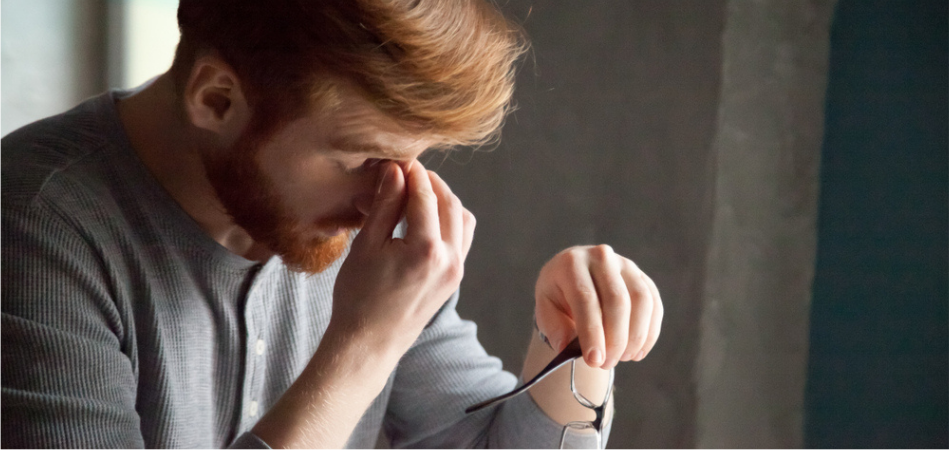
Choosing the right rehab is an important first step towards recovery.
What are the next steps?
If crack cocaine has started to take control of your life, Recovery Lighthouse can help you find your way forward, past your addiction to the drug. Our treatment offers a calm environment where you can focus on understanding yourself and regaining control.
You’ll work with experienced professionals who guide and support you through every stage of your recovery. Whether you’re ready to begin or still unsure what that first step looks like, you never have to face it alone.
Reach out to Recovery Lighthouse today and start building a life that feels steady and free from the chaos of crack cocaine.