




Morphine Addiction Treatment | Morphine Detox, Morphine Rehab and Aftercare
At Recovery Lighthouse, our morphine addiction treatment gives you a calm and safe space to begin recovery from your morphine addiction. We take both your physical and emotional wellbeing into account, helping you find stability while guiding you towards a life that feels balanced again.

What is morphine rehab?
Morphine rehab is a structured and supportive rehab programme at Providence Projects designed to help you break free from dependency on one of the strongest painkillers available. Commonly prescribed after surgery or for chronic pain, morphine can ease suffering in a way few other drugs can. But the same relief that makes it so effective can also make it difficult to let go.
Do I need treatment for morphine?
Because morphine is prescribed for legitimate reasons, it can be easy to miss the signs of dependency on the opioid. Many people find that what started as pain relief slowly turns into something they rely on to get through the day. The line between medical use and addiction can blur quietly until stopping feels impossible.
You may need morphine rehab if:
- You have been taking morphine longer than prescribed
- You feel unwell or anxious when you try to stop
- You have started increasing your dose without medical advice
- You think about morphine regularly, even when not in pain
- You hide or minimise how much you are taking
- You feel detached, low or unlike yourself when you do not take it
Even if you are unsure, the fact that you are questioning it suggests something has changed. Morphine addiction treatment can help you understand that change and take control before it deepens further.
Choosing the best rehab for your needs is an important first step towards recovery.
When is it time to reassess my morphine usage?
At Recovery Lighthouse, we understand that entering rehab for a prescription drug addiction can feel daunting, as the fear of the unknown can make it seem harder than it really is. That is why we take time to explain each step and ensure you know what to expect. Rehab is centred around healing, not punishment, and we will be with you through every stage.
Assessment
Your recovery begins with a full assessment after you have been admitted to Recovery Lighthouse. We explore your morphine use, current health, emotional wellbeing and any factors that may have contributed to addiction. The aim is to build a plan that reflects your needs rather than forcing you into a rigid structure.
Morphine detox
Morphine detox is when your body starts to adjust to life without the drug. Because morphine is a powerful opioid, withdrawal can be physically and emotionally demanding. Symptoms may appear within hours of your last dose and vary in intensity depending on your usage history.
Common morphine withdrawal symptoms include:
- Muscle and joint pain
- Sweating and chills
- Restlessness
- Nausea and vomiting
- Stomach cramps
- Trouble sleeping
- Anxiety
- Irritability
- Cravings
- Fatigue
- Mood swings
At Recovery Lighthouse, detox is carried out gradually and safely. We taper your dosage where possible and provide continuous support to help manage symptoms. Our staff check in regularly to ensure you are as comfortable as possible, both physically and emotionally. You will not face it alone, and our team will help you through the most challenging moments.
Morphine detox timeline
Many people are aware of the morphine detox timeline, and it’s one of the main reasons why people don’t reach out for help. While we can’t provide guarantees that it’ll be an easy process, we can provide a step-by-step snapshot on how we plan to treat every stage of detox:
- In the first couple of days, anxiety, sweating, restlessness, and disrupted sleep can appear, but our team offers gentle guidance to get you through this stage.
- Around days three to six, symptoms peak with issues like fatigue and cravings. We help by keeping you hydrated, nourished, checking your comfort levels and offering emotional grounding.
- By the second week, physical symptoms fade, but low mood and urges may hang on.
To make sure those low moods are tended to, the next step is therapy, where the true healing begins.
Therapy
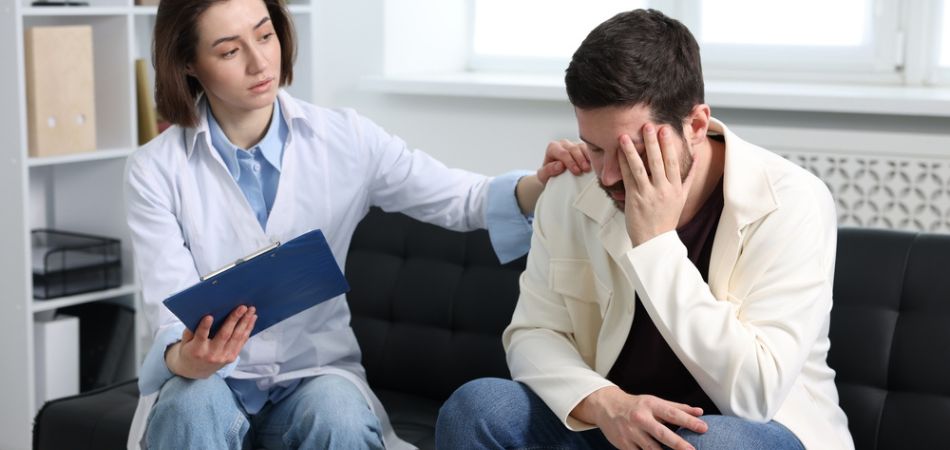
Once your body begins to settle, therapy becomes the focus. Morphine addiction often extends beyond physical dependence and may be tied to underlying mental health issues that the drug was masking. Therapy helps uncover those layers and gives you practical ways to manage life without relying on morphine.
At Recovery Lighthouse, therapy includes:
- One-to-one counselling to explore your personal experiences
- Cognitive behavioural therapy (CBT) to identify thoughts that trigger cravings
- Dialectical behaviour therapy (DBT) to manage difficult emotions
- Group therapy to connect with others who understand your journey
- Holistic treatments like art, yoga and mindfulness to restore calm and focus
These therapies work together to rebuild your confidence and sense of self. They help you understand what morphine was doing for you and how to meet those same needs in a healthier way.
Aftercare and ongoing support
Recovery continues long after rehab ends, and returning home can bring new challenges, which is why Recovery Lighthouse provides a full year of aftercare. You will have regular check-ins, weekly group sessions and access to a supportive recovery community that helps you stay grounded.
Aftercare is a safety net you can rely on in a crisis, as well as a place to keep growing. It gives you the confidence to manage daily life while maintaining the progress you have made.
What are the health benefits of quitting morphine?
It can be tempting to try coming off morphine at home, especially if you want privacy or believe you can overcome the withdrawal symptoms on your own. But morphine withdrawal can be unpredictable and, in some cases, dangerous. Physical symptoms can become overwhelming, and emotional lows can leave you feeling desperate for relief. Without professional help, that combination can lead to relapse or even overdose.
The main risks of detoxing at home include:
- Severe withdrawal symptoms that make it hard to function
- Relapse due to unmanaged cravings
- Emotional distress without support
- Physical complications such as dehydration
- Sleep deprivation and confusion
In a residential setting like Recovery Lighthouse, these risks are carefully managed. Staff provide comfort and make sure you are safe through every stage. You will never be left to guess what is normal or what is cause for concern. Each moment is supported, giving you the best chance of a stable, lasting recovery.

Morphine rehab at Recovery Lighthouse
If morphine has taken hold of your life, remember that help is available to you. At Recovery Lighthouse, we will guide you through detox safely, support you through therapy and walk beside you as you rebuild your life. Recovery is never rushed or forced; rather, it unfolds at your pace with people who genuinely care about where you end up.
Reach out to us today. Even if you are unsure or afraid, one simple conversation can begin to shift everything. We’re ready and waiting for your call.
Morphine addiction does not need to control your life. Reach out for us today to find out how you can take your life back from Morphine.