





Ketamine Addiction | Signs, Symptoms and Effects
In the UK, ketamine is a Class B drug under the Misuse of Drugs Act, meaning possession can lead to up to five years in prison, while supplying it can carry a sentence of up to fourteen years.
What is ketamine?
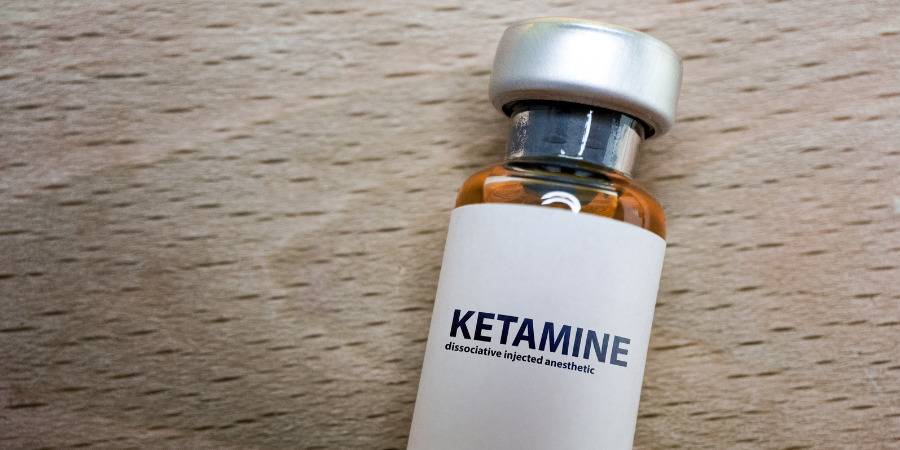
Ketamine was developed in the 1960s as a fast-acting anaesthetic that allowed doctors to sedate patients safely during surgery. It was seen as an important medical breakthrough because it reduced pain and maintained breathing better than many earlier drugs. Over the following decades, it became widely used in both human and veterinary medicine.
In recent years, tiny doses of ketamine and its derivative, esketamine, have been studied for their potential in treating depression and certain mental health conditions. When given in controlled, clinical environments, these small doses can ease severe symptoms where other treatments have failed.
Outside of hospitals, though, ketamine has taken on a very different role. It is used recreationally as a hallucinogenic or “club” drug that distorts sensations and detaches people from reality.
Is ketamine addictive?
Ketamine is often described as less addictive than other drugs, but this can be misleading. While it does not cause the same physical withdrawal symptoms as heroin or alcohol, it can still create a powerful psychological dependency.
Ketamine’s dissociative effects, the feeling of floating or separating from your body, can quickly become something people chase. For some, it offers escape from emotional pain or stress, but that escape becomes addictive in itself, as people find daily life increasingly difficult without the feeling of detachment ketamine provides.
Tolerance also builds quickly, meaning users need more to feel the same effects. This creates a dangerous cycle where each dose feels necessary to reach the same sense of calm. Once that happens, control begins to slip away.
Ketamine use in the UK
Ketamine use in the UK has risen dramatically over the past decade. According to the Crime Survey for England and Wales, around 299,000 adults aged 16–59 reported using ketamine in 2022–23, the highest figure ever recorded. Among 16–24-year-olds, 3.8% said they had used ketamine in the past year, roughly triple the rate from ten years earlier.
Treatment data shows a similar pattern with 3,609 adults entering treatment for ketamine-related problems in 2023/24. This rise highlights how the drug’s image has shifted from niche to mainstream, particularly among younger users.
Clinicians also report an increasing number of cases involving bladder damage, cognitive issues and mental health complications linked to ketamine use. NHS and private clinics alike are now treating people who began using it casually but have since found themselves unable to stop.
Is ketamine addiction dangerous?
Ketamine addiction is dangerous because it damages both physical health and mental stability. Frequent use can lead to serious complications that can last long after the drug leaves the system.
What are the signs of ketamine addiction?
The signs of ketamine addiction can be subtle at first but over time they begin to interfere with everyday life. Understanding these signs makes it easier to recognise when use is becoming a problem.
- Frequent pain or discomfort when passing urine
- Persistent abdominal or bladder problems
- Noticeable weight loss or poor appetite
- Fatigue or constant low energy
- Clumsiness or unsteady movement
- Struggles with memory or focus
- Anxiety or depression when not using
- Emotional numbness or detachment
- Thinking frequently about ketamine
- Taking ketamine in unsafe or unsuitable settings
- Attempting to stop but being unable to maintain it
- Isolating from family or responsibilities
- Spending increasing amounts of money on the drug
If several of these signs feel familiar, it could be time to take an honest look at your relationship with ketamine. The next section offers a way to reflect on that more deeply.
Am I addicted to ketamine?
Addiction often begins quietly, which is why checking in with yourself is so valuable.
Asking the following questions can help you understand whether your use has moved into risky territory:
- Do you need to take ketamine more often or in larger doses to feel its effects?
- Have you tried to cut down or stop but found it difficult to maintain?
- Do you crave ketamine or think about using it frequently?
- Has it started to interfere with work, study or relationships?
- Do you experience health problems such as pain, fatigue or low mood after using?
- Have you withdrawn from activities or people that used to matter to you?

Answering yes to one or more of these questions doesn’t mean you’re beyond help, it simply means support could make a difference. Awareness is the first step toward regaining control.
The DAST-10 questionnaire is designed to identify potential drug dependencies.
Where can I get help for ketamine addiction?
If ketamine use has become difficult to control, help is available. At Recovery Lighthouse, we provide tailored rehab support for people recovering from ketamine addiction through a compassionate and structured approach.
The ketamine addiction treatment process begins with a full assessment to understand your situation and the role ketamine plays in your life. From there, detox gives your body the chance to stabilise safely while our therapy programme focuses on the emotional roots of addiction. Beyond detoxing from the drug, you will undergo therapy designed to get to the route of your ketamine addiction.
Aftercare ensures that recovery doesn’t stop once you leave treatment. Continued support, relapse-prevention planning and access to community networks help you stay steady and connected in the months that follow.
If you or someone you care about is struggling with ketamine addiction, reaching out now can make all the difference. Recovery starts with a conversation and our team at Recovery Lighthouse is ready to help you begin that journey today.
Ketamine addiction does not need to control your life. Reach out for us today to find out how you can take your life back from ketamine.
Frequently asked questions
(Click here to see works cited)
- Vasiliu, Octavian. “Esketamine for Treatment‑Resistant Depression: A Review of Clinical Evidence (Review).” Experimental and Therapeutic Medicine, vol. 25, no. 3, Jan. 2023, https://doi.org/10.3892/etm.2023.11810
- Gitlin, Jacob, et al. “Dissociative and Analgesic Properties of Ketamine Are Independent.” Anesthesiology, vol. 133, no. 5, Nov. 2020, pp. 1021–28, https://doi.org/10.1097/ALN.0000000000003529
- Devlin, Hannah. “Ketamine’s Move from Club to ‘Chill-Out’ Drug Is Sign of a Troubling Culture Shift.” The Guardian, The Guardian, 13 Jan. 2025, www.theguardian.com/society/2025/jan/13/ketamine-move-club-to-chill-out-drug-troubling-culture-shift
- Hunt, Elle. “The Agony of Ketamine Addiction: ‘I Felt like I Was Peeing Glass.’” The Guardian, The Guardian, 5 Nov. 2024, www.theguardian.com/society/2024/nov/05/the-agony-of-ketamine-addiction-i-felt-like-i-was-peeing-glass
- Office for Health Improvement & Disparities. “Adult Substance Misuse Treatment Statistics 2023 to 2024: Report.” GOV.UK, 28 Nov. 2024, www.gov.uk/government/statistics/substance-misuse-treatment-for-adults-statistics-2023-to-2024/adult-substance-misuse-treatment-statistics-2023-to-2024-report
- Srirangam, S. and J. Mercer. “Ketamine Bladder Syndrome: An Important Differential Diagnosis When Assessing a Patient with Persistent Lower Urinary Tract Symptoms.” Case Reports, vol. 2012, no. sep26 1, Sept. 2012, pp. bcr2012006447–47, https://doi.org/10.1136/bcr-2012-006447
- “The Rise of Ketamine Use in the UK | AlphaBiolabs UK.” AlphaBiolabs, 28 Oct. 2024, www.alphabiolabs.co.uk/blog/rise-ketamine-use-uk/

If you’ve been using ketamine and have started to notice changes like reduced memory or ongoing bladder … More
The use of ketamine is rising across the country. A 2023 government report shows that almost 300,000 adu… More

What does a runny nose have to do with drug use?
Most of us don’t think twice about a runny nose. Maybe… More


Chemsex (also known as party and play or wired play) refers to the use of drugs during sex. This type of s… More