





Alcohol Addiction | Signs, Symptoms and Effects
In the UK, alcohol is legal and deeply woven into social life, with celebrations, meals, nights out and even work events revolving around alcohol. That normalisation makes the early signs of addiction easy to miss, especially when drinking looks similar to what “everyone else is doing”. But over time, alcohol starts to affect the body, mind and relationships in ways that become difficult to hide.
Understanding what alcohol addiction really means is the first step toward seeing that it can happen to anyone, even those who never imagined they could lose control.
What is alcohol addiction?
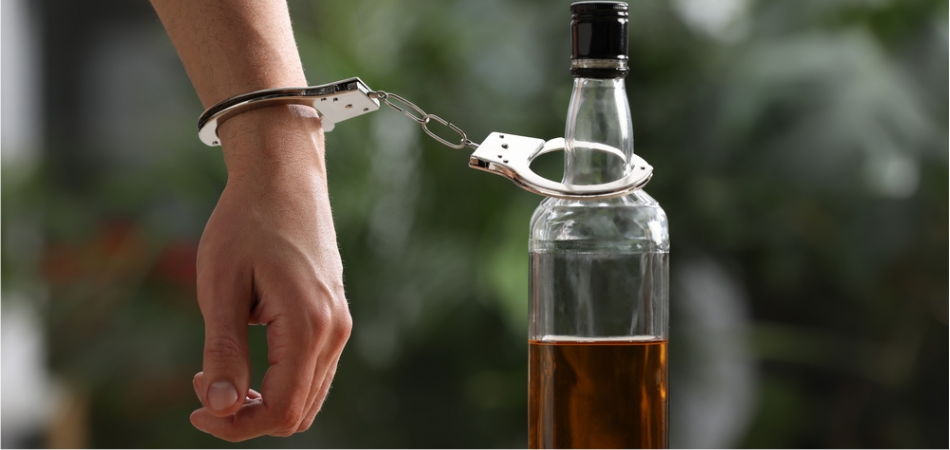
Alcohol addiction is when drinking stops being a choice and begins to take control. It doesn’t always look the same for everyone; for example, some may drink every day, while others binge at weekends or during stressful periods. What unites them is how drinking gradually shifts from something social or enjoyable into something that feels necessary.
Is alcohol addictive?
Alcohol is addictive because of how it interacts with the brain’s reward system. When you drink, it triggers the release of dopamine and endorphins, chemicals linked with pleasure and relaxation. The brain quickly learns to associate alcohol with feeling better, so when stress or other negative emotions appear, drinking becomes an automatic response.
Over time, the brain adjusts by producing fewer natural “feel-good” chemicals, leaving you dependent on alcohol to feel normal. That’s when cravings and alcohol withdrawal symptoms begin to appear. Alcohol withdrawal symptoms, like sweating, shaking, anxiety, nausea and restlessness, can make it extremely difficult to stop. In severe cases, sudden withdrawal can even be fatal without medical support.
Beyond biology, alcohol can also take root psychologically, especially if people drink to manage emotions or avoid reality. This creates a cycle that feels comforting at first but becomes suffocating in the long run. The more alcohol is used to cope, the stronger its hold becomes.
Alcohol use in the UK
The UK’s relationship with alcohol has long been complicated. It’s part of celebrations, yet it’s also one of the country’s leading causes of preventable harm. In 2023, there were 10,473 alcohol-specific deaths, the highest number ever recorded. Men accounted for roughly twice as many deaths as women, and the North East of England saw the highest rates in the country.
Hospital admissions tell the same story, with English hospitals recording nearly 340,000 alcohol-specific admissions in 2023–24. These admissions included conditions like liver disease, pancreatitis, heart complications and more immediate injuries linked to intoxication.
Beyond health, the cost to society is immense, with alcohol-related harm draining billions of pounds from the economy each year. This directly affects healthcare, policing, lost productivity and social care.
Sometimes it’s easy to brush off big monetary numbers, especially when they’re not coming out of your bank account directly. But behind those statistics and pound signs are families living with fear, guilt, worry and exhaustion as they try to help someone in their lives whose drinking has taken over.
These figures highlight why recognising the signs early matters. The sooner someone identifies a problem, the sooner they can prevent long-term damage and begin to rebuild their life.
What are the signs of alcohol addiction?
Spotting an alcohol addiction is a lot more difficult than you may first think. Yes, the stereotypical signs of someone looking dishevelled, smelling like alcohol a lot, acting erratically and perhaps even homeless still stand. But alcohol addiction doesn’t stop there. The previous signs could be an indicator that an alcohol addiction has been there for a long period of time, but what about the early signs that your drinking habits are becoming dangerous?
Below, we examine a mixture of the early and deep-seated signs.
- Increased tolerance, needing more alcohol to feel its effects
- Regular hangovers or shakiness when not drinking
- Disturbed sleep, low energy and weight changes
- Visible effects like flushed skin, tremors or bloodshot eyes
- Withdrawal symptoms such as sweating, nausea or shaking after periods without alcohol
- Drinking to manage anxiety, anger or sadness
- Feeling restless, irritable or low when sober
- Frequent guilt or shame about drinking habits
- Trouble concentrating or remembering things
- Strong cravings or obsession with the next drink
- Hiding bottles or lying about how much you drink
- Missing work or social commitments due to hangovers or drinking
- Prioritising alcohol over responsibilities or relationships
- Losing interest in hobbies or activities that don’t involve drinking
- Arguing with loved ones about drinking but refusing to change
If these signs feel familiar, even in small ways, it may be worth taking a moment to ask whether alcohol has become more central to your life than you’d like to admit.
Struggling with alcohol addiction?
Help is one call away.
Am I addicted to alcohol?
Sometimes, alcohol addiction is easier to see in others than in yourself, but honest reflection can bring surprising clarity. Ask yourself the following questions:
- Do you often drink more than you intended or struggle to stop once you start?
- Have you tried to cut down or quit but found it difficult to stay consistent?
- Do you feel uneasy, anxious or shaky when you go without alcohol?
- Has drinking caused arguments, work issues or damage to relationships?
- Do you find yourself drinking to handle stress, sleep or social situations?
- Have hobbies, responsibilities or priorities taken a backseat to drinking?

Answering yes to one or more of these questions may suggest that alcohol has taken a stronger hold than you realise. This doesn’t officially diagnose you with alcohol use disorder, but it certainly opens the door for a discussion with addiction recovery specialists.
Not sure if you are suffering from alcohol dependency?
In less than five minutes, our confidential self-assessment can help you better understand your relationship with alcohol and whether further support may be needed.
Where can I get help for alcohol addiction?
It can be easy to feel as though you’re a ‘lost cause’, especially if you’ve been misusing alcohol for a long period of time. But now, this is not the case. At Recovery Lighthouse, we provide structured rehab support that helps people regain control of their lives, no matter how long they’ve been abusing alcohol.
Treatment often begins with detox, allowing your body to clear itself of alcohol safely and with professional care to manage withdrawal symptoms. After alcohol detox, therapy helps uncover the emotional and psychological triggers that drive drinking while building healthier coping mechanisms.
After alcohol rehab treatment, secondary care (if you opt to extend your treatment stay) aftercare, and relapse prevention planning ensure continued support, helping you stay grounded and connected as you move forward. We understand that recovery doesn’t happen overnight, but each step makes it easier to imagine a life not dictated by alcohol.

If you or someone you care about is ready to make that change, reach out to Recovery Lighthouse today. You don’t have to go through it alone, and the sooner you take that first step, the sooner you can start living freely again.
Struggling with alcohol addiction? We're here to help.
Our team will guide you through every treatment option for your alcohol dependency with honesty and care, supporting you at your own pace with no pressure or obligation at any stage.
📞
Call UsFree & confidential
✉
Email UsWe reply within hours
📋
AssessmentTakes 5 minutes
🔒 All enquiries strictly confidential
Frequently asked questions


Addiction is like a voice in the head telling you exactly what you need to hear to keep doing what you'r… More
If you’ve ever wondered why cravings hit so hard, why a thought becomes an urge and then feels like … More

In the UK, it is believed that more than 600,000 people are alcohol-dependent, the highest number on r… More

Take a walk through any city centre, switch on your TV, or scroll through social media. Chances are, it … More


We all like to picture our brains working at their sharpest, strongest and clearest. The thought of that… More
According to research, more than half of people addicted to cocaine are also dependent on alcohol, and i… More

For a person hoping to escape the invisible forces of addiction, dealing with just one substance can be … More

What does a runny nose have to do with drug use?
Most of us don’t think twice about a runny nose. Maybe… More
Holidays, for most people, are a chance to drop their guard, relax and unwind. This celebratory time is … More
Alcoholics Anonymous has historically been a safe space for recovery. AA’s 12-step program has helped … More
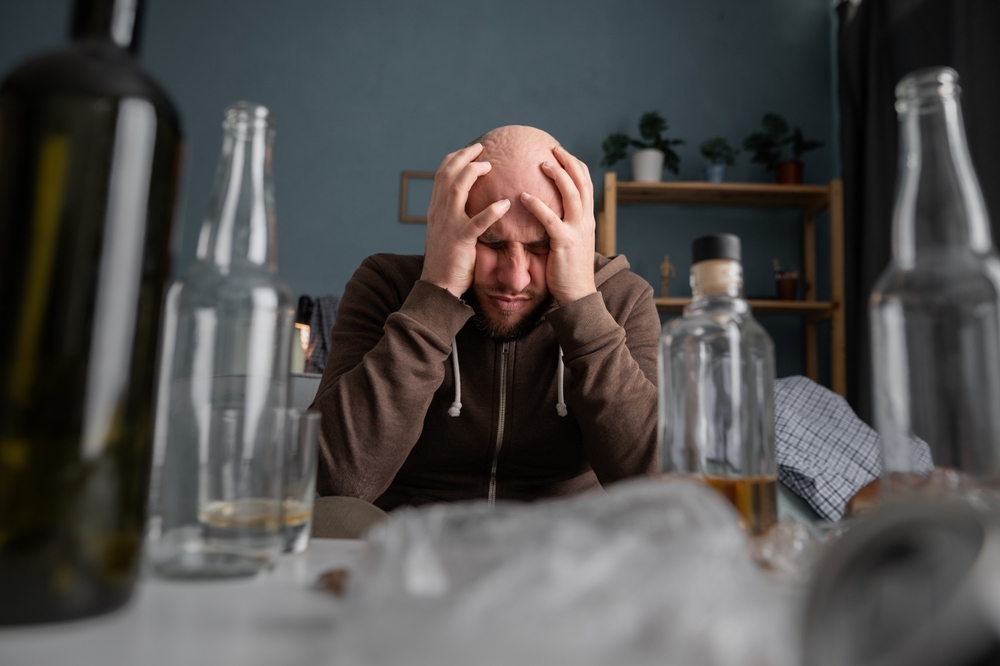
We’ve all experienced firsthand how alcohol can make people act in different ways. Some people are rel… More


What goes up must come down.
The term 'comedown' is usually reserved for stimulant o… More


A recent consumer report by Kantar shows that 38% of UK adults are trying to lose weight. However, if you … More

Anyone who has ever drank to excess (or even just had a few drinks as we get older) will have experienced … More

The decision to quit drinking is a profoundly personal one. You may have decided that alcohol no longer ha… More

Drugs and alcohol can be dangerous enough on their own, but when they are mixed, the dangers can be magnif… More

Despite a decline in overall alcohol consumption, the rate of alcohol-specific deaths and alcohol-related … More

Alcohol units provide a universally understood way to calculate the amount of pure alcohol in a drink, hel… More

Men and women embarking on the journey to recovery from alcohol addiction often confront challenges. Under… More

Have you ever stopped to think about why it's fine to sip wine on a wine tour in a picturesque vineyard bu… More

Have you ever heard of the phrase "Seeing pink elephants"? You may have noticed this unusual reference in … More

What does it mean if someone is described as a functioning alcoholic? The t… More

Peaky Blinders star Tom Hardy knows all about battling drugs and alcohol. His teen years and early twentie… More

There are many reasons people turn to alcohol; some do so out of curiosity while others do so to help them… More

Alcoholism is an ever-increasing problem in our country. In 2014, there were 8,697 alcohol-related deaths,… More

Many people are of the opinion that it is a particular type of individual that becomes affected by drug or… More

Addiction affects individuals from all walks of life, including some that many people might not expect. Wi… More

Addiction is an illness that affects countless families around the UK. This devastating illness affects no… More

Addiction is known as a family illness because of the destruction and chaos it causes for all members of t… More

Addiction is an illness that wreaks havoc on the lives of those affected. However, this is an illness that… More

There are many reasons people turn to drugs and alcohol. Some will do so out of curiosity, with those liki… More